Tal Chhapar: In Pursuit of Raptors
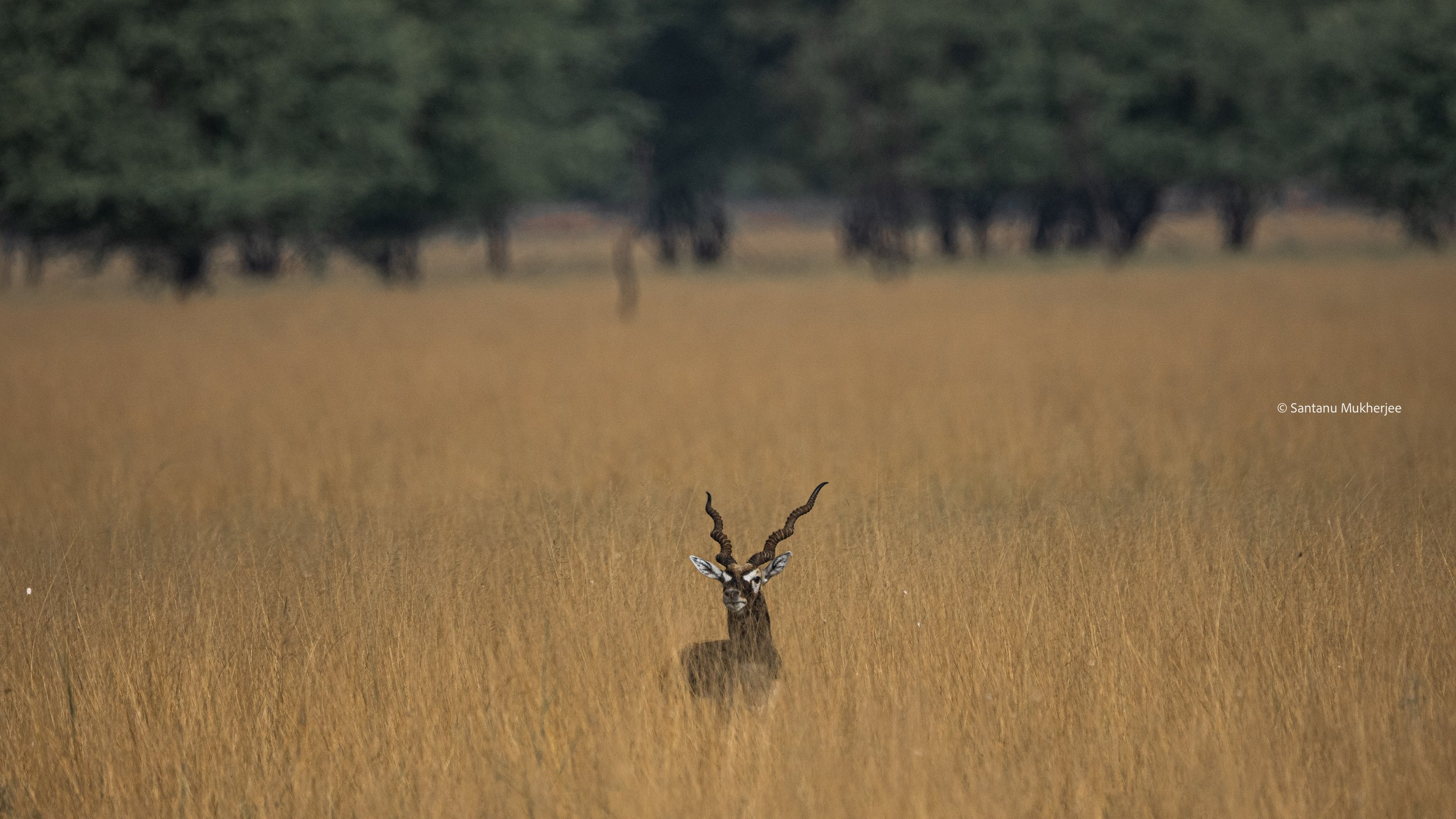
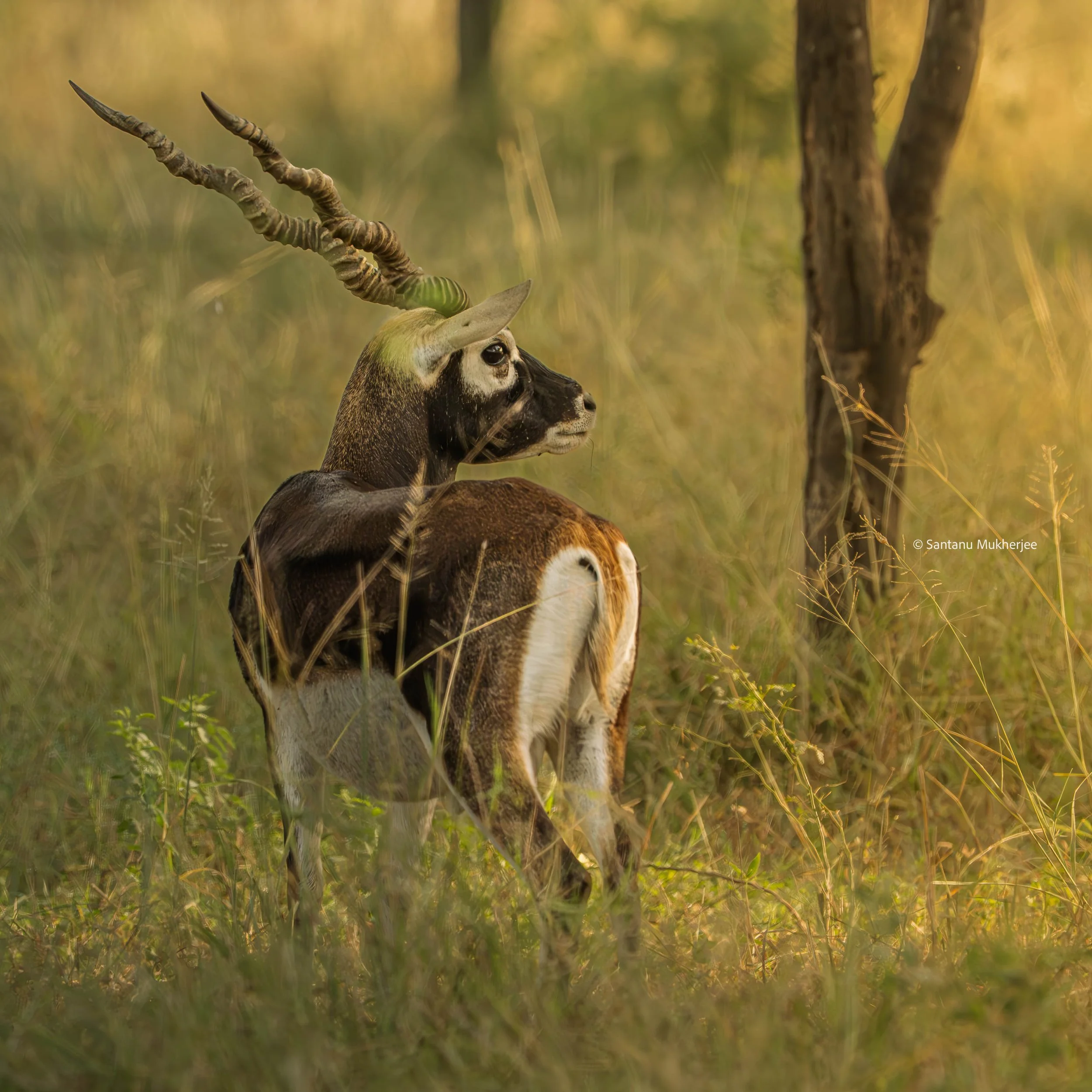
Please click the pictures to view the enlarged images.October 2025 took me to a landscape unlike any I had photographed before—Tal Chhapar, a quiet expanse of grassland in rural Rajasthan, defined not by dramatic terrain but by the life that moves through its skies. The region—encompassing the famed blackbuck sanctuary, along with the adjoining goshala and salt pans—comes alive in winter, drawing a rich array of migratory birds.
There are several ways to reach Tal Chhapar—by road from Delhi or Jaipur—but I chose the Delhi–Jodhpur Superfast Express. It had been decades since I last travelled by train, and I was quietly looking forward to the experience.
The journey began early morning from Delhi’s Sarai Rohilla station. As the train pulled out at dawn, the city slowly dissolved into open countryside. By late morning, the landscape had turned distinctly Rajasthani—flat, sunlit, and expansive, painted in muted golden tones with sparse vegetation.
About seven hours later, via Sujangarh, I arrived. There was a quiet sense of transition—the pace had slowed, the noise had faded, and the shift felt complete. Once a hunting ground of the Maharaja of Bikaner, Tal Chhapar is today a protected grassland ecosystem—flat, open, and deceptively simple. Scattered acacia trees punctuate the horizon, while saline patches merge seamlessly into seasonal wetlands.
From October to March, this region becomes a hotspot for raptor activity, attracting wildlife photographers and nature enthusiasts from far and wide. Three key areas define the experience—the blackbuck sanctuary, the goshala, and the adjoining salt pans.
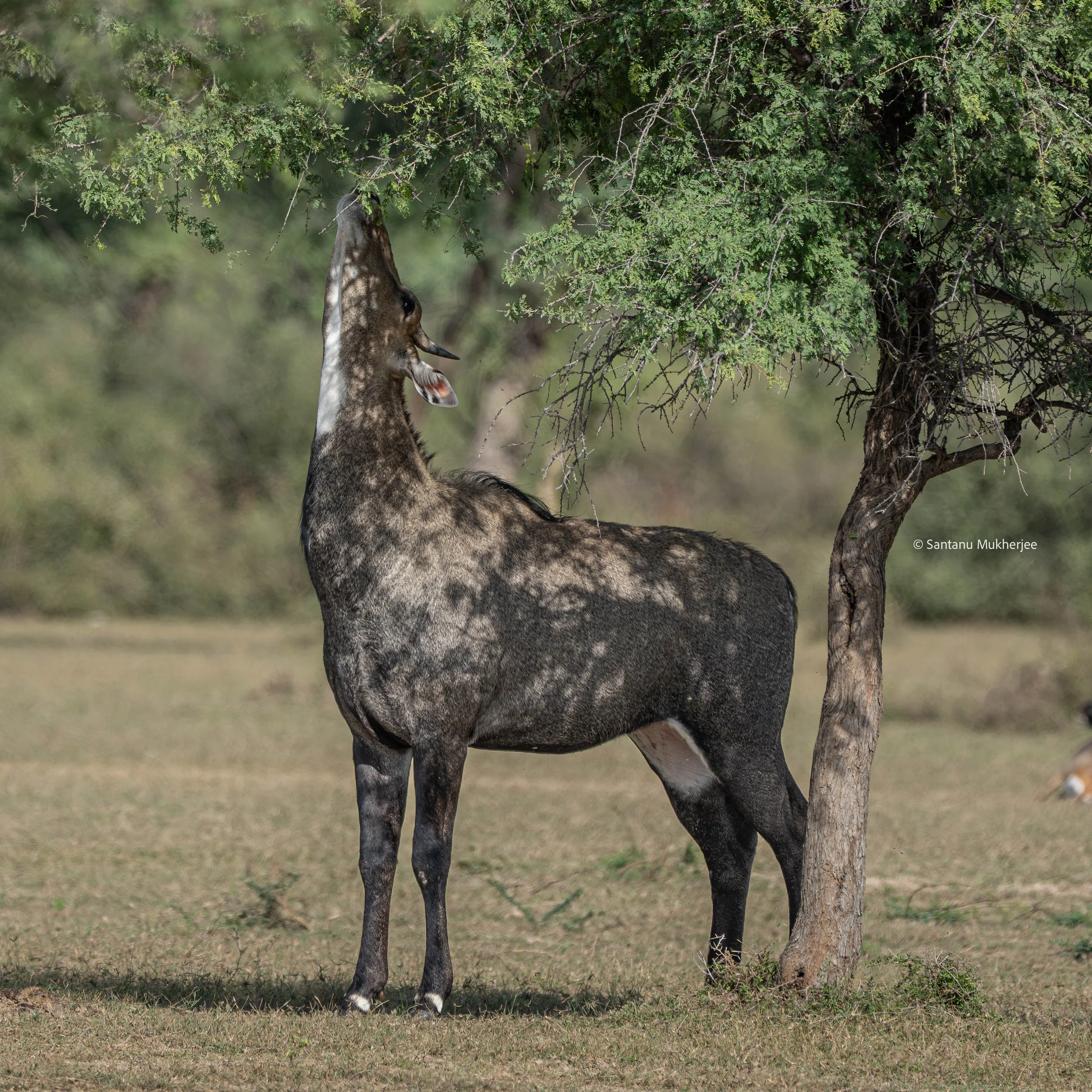
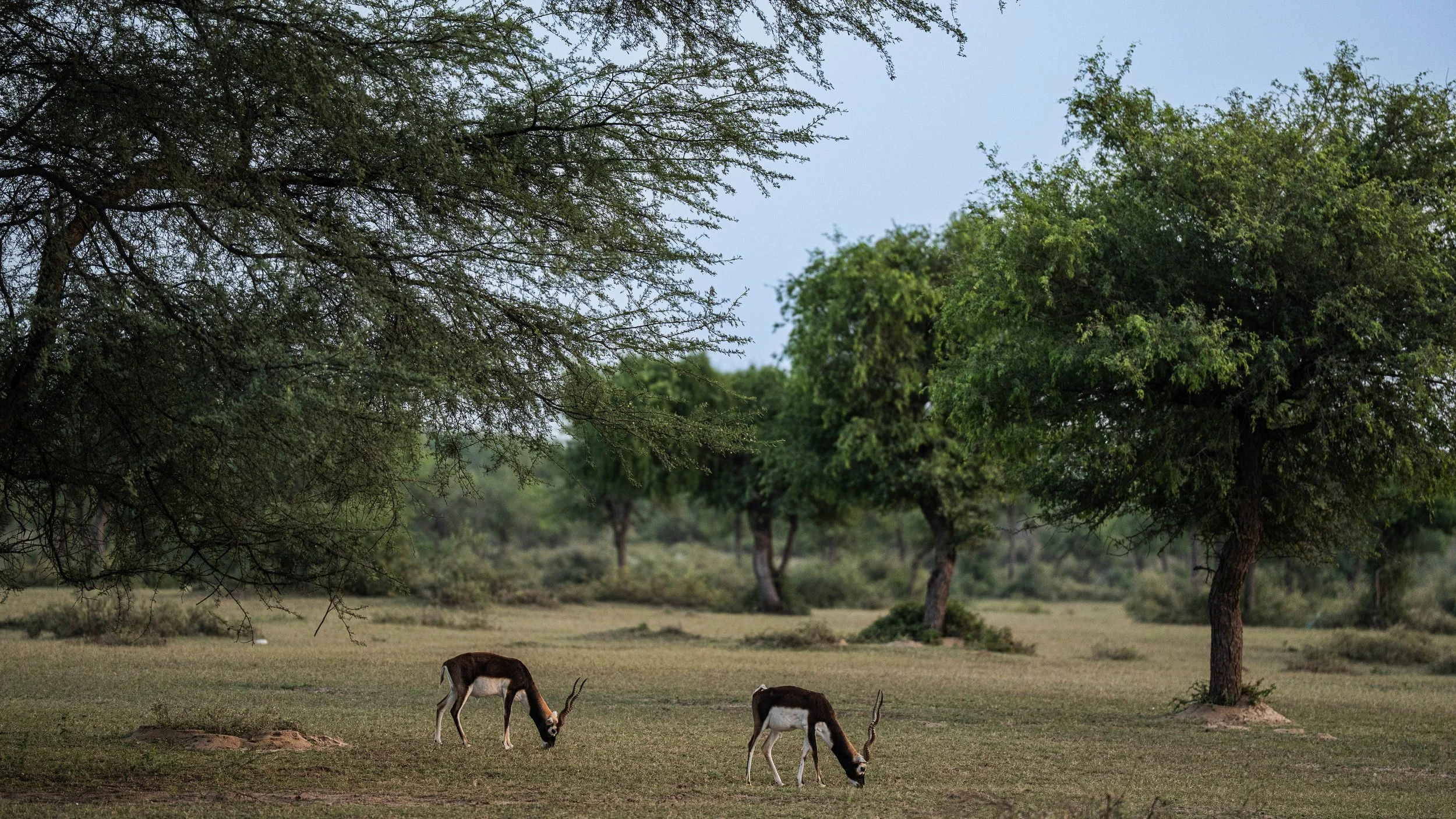
The sanctuary, home to a thriving population of blackbucks, is central to Tal Chhapar’s identity. Entry is regulated by the forest department through an online permit system. Two safaris are permitted daily—morning and afternoon—and bookings need to be made in advance.
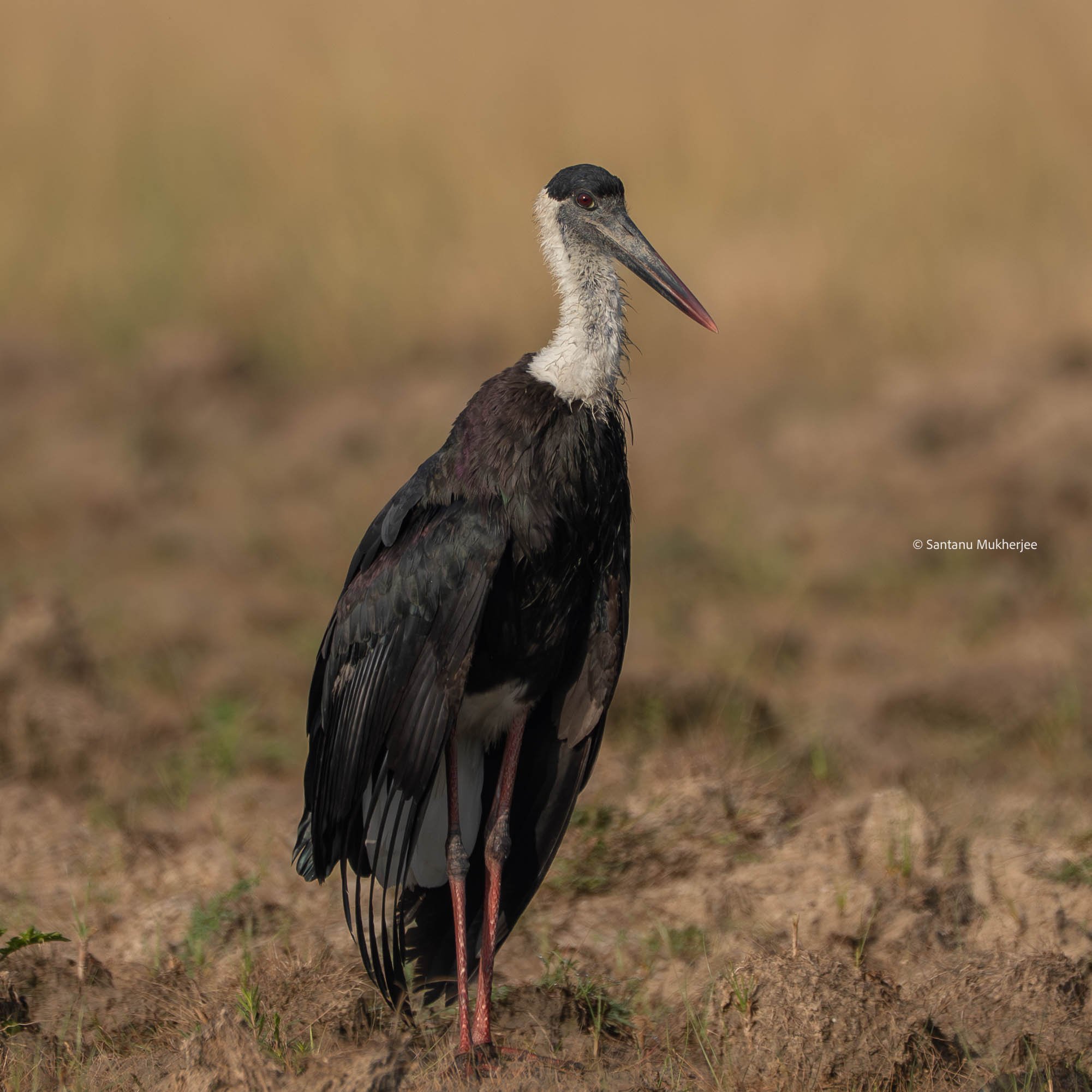
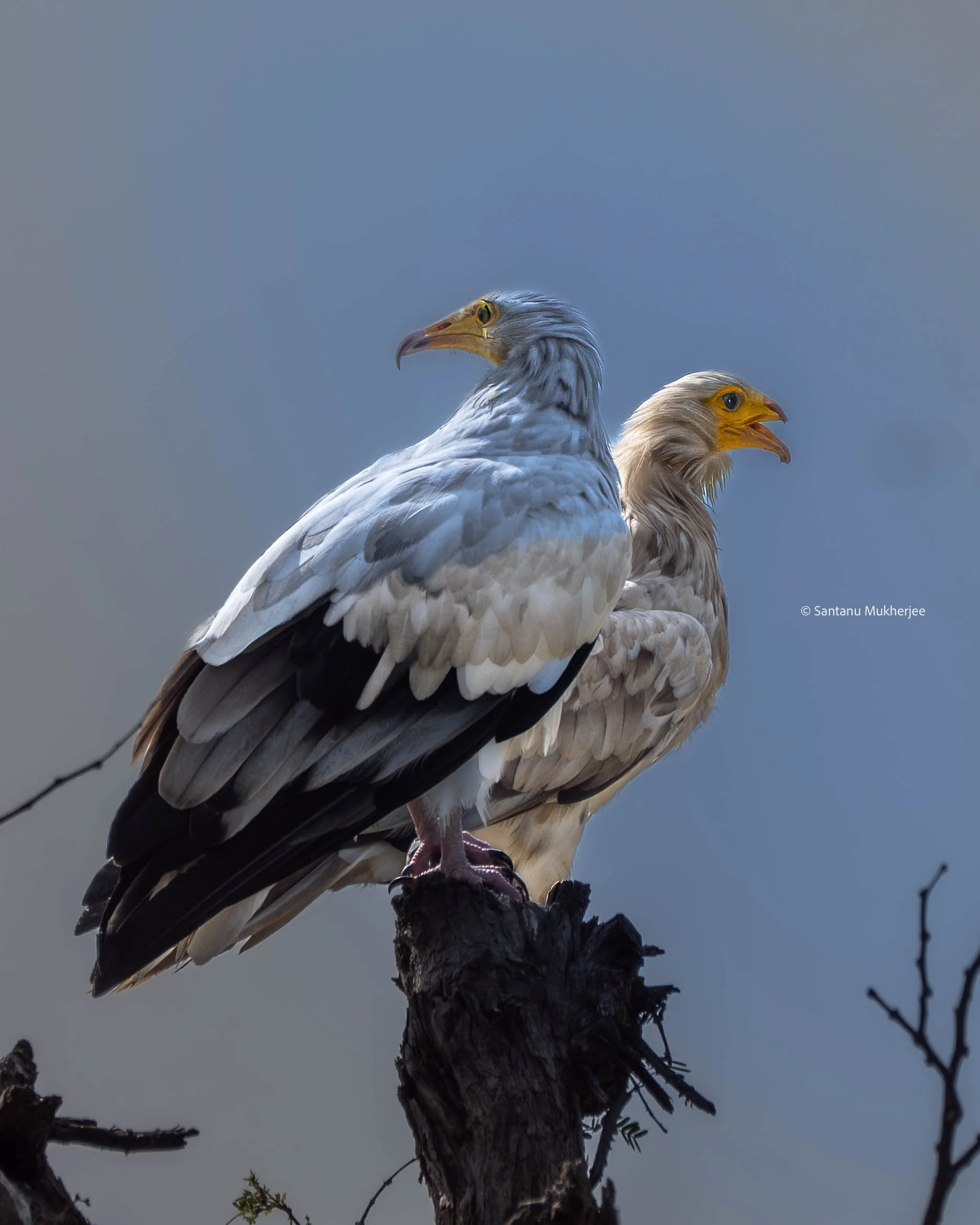
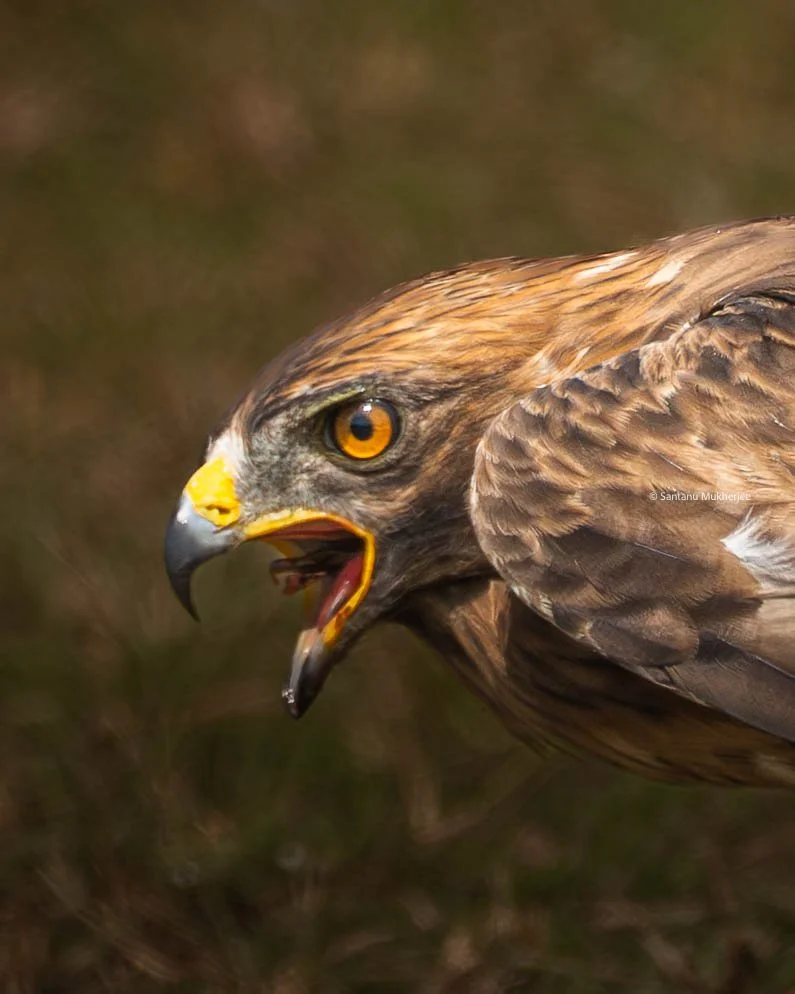
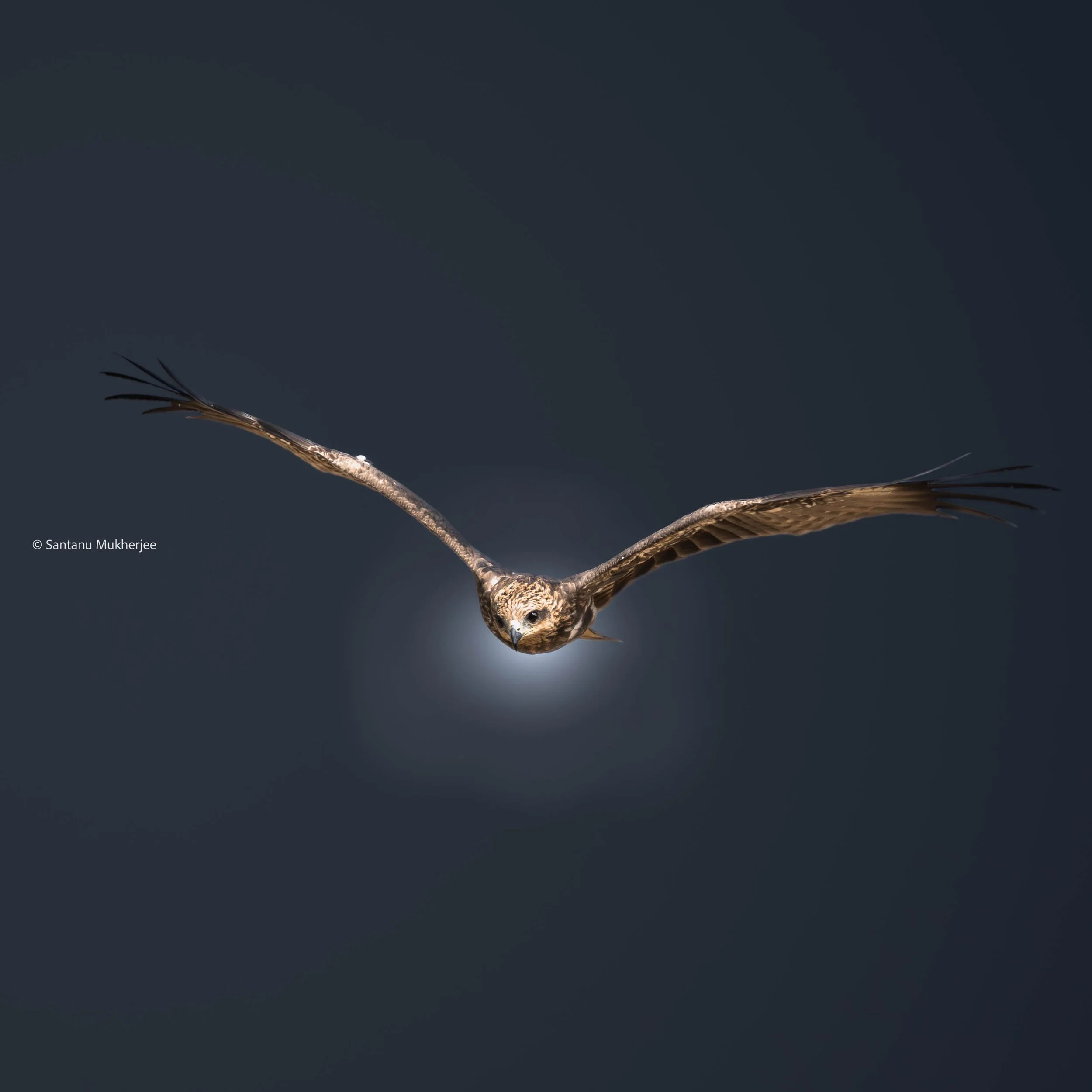
During winter, a wide variety of migratory and resident birds can be sighted across the sanctuary and salt pans, including Demoiselle Cranes, Montagus Harriers, Pallid Harriers, Western Marsh Harriers, Eurasian Hobbies, Long-legged Buzzards, White-eyed Buzzards, Indian Rollers, Eurasian Rollers, and White-throated Kingfishers, Common Kestrel, among many others.
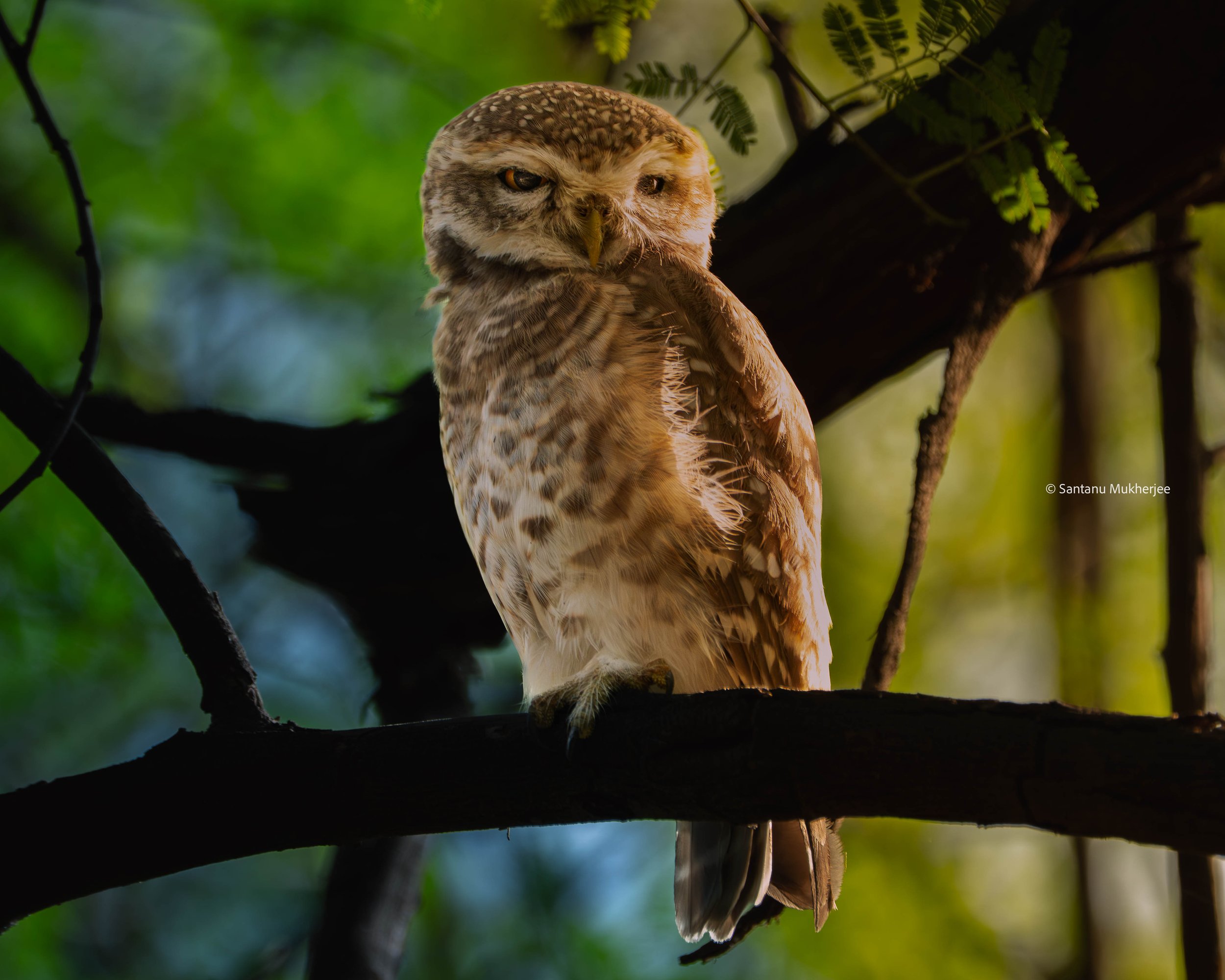
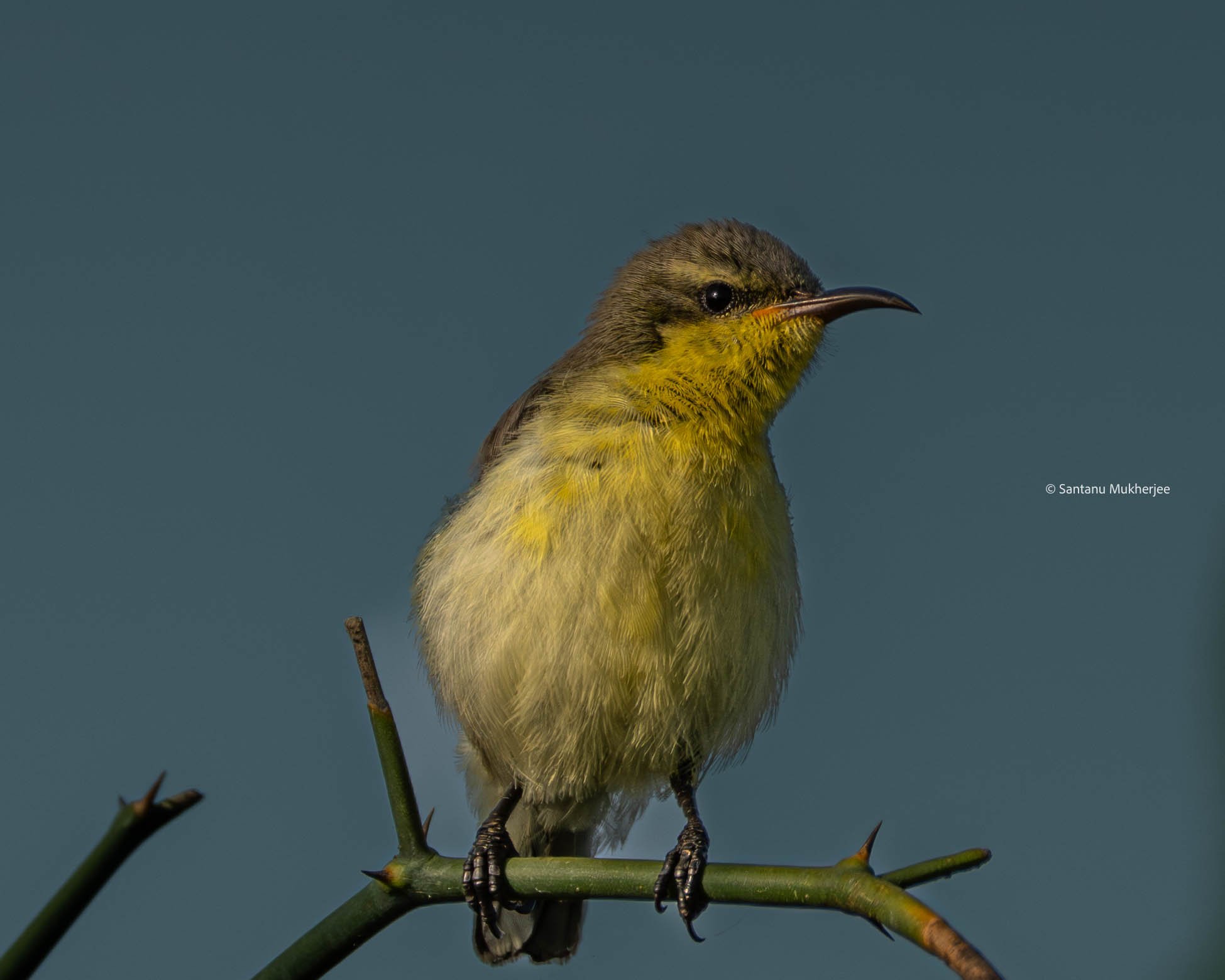
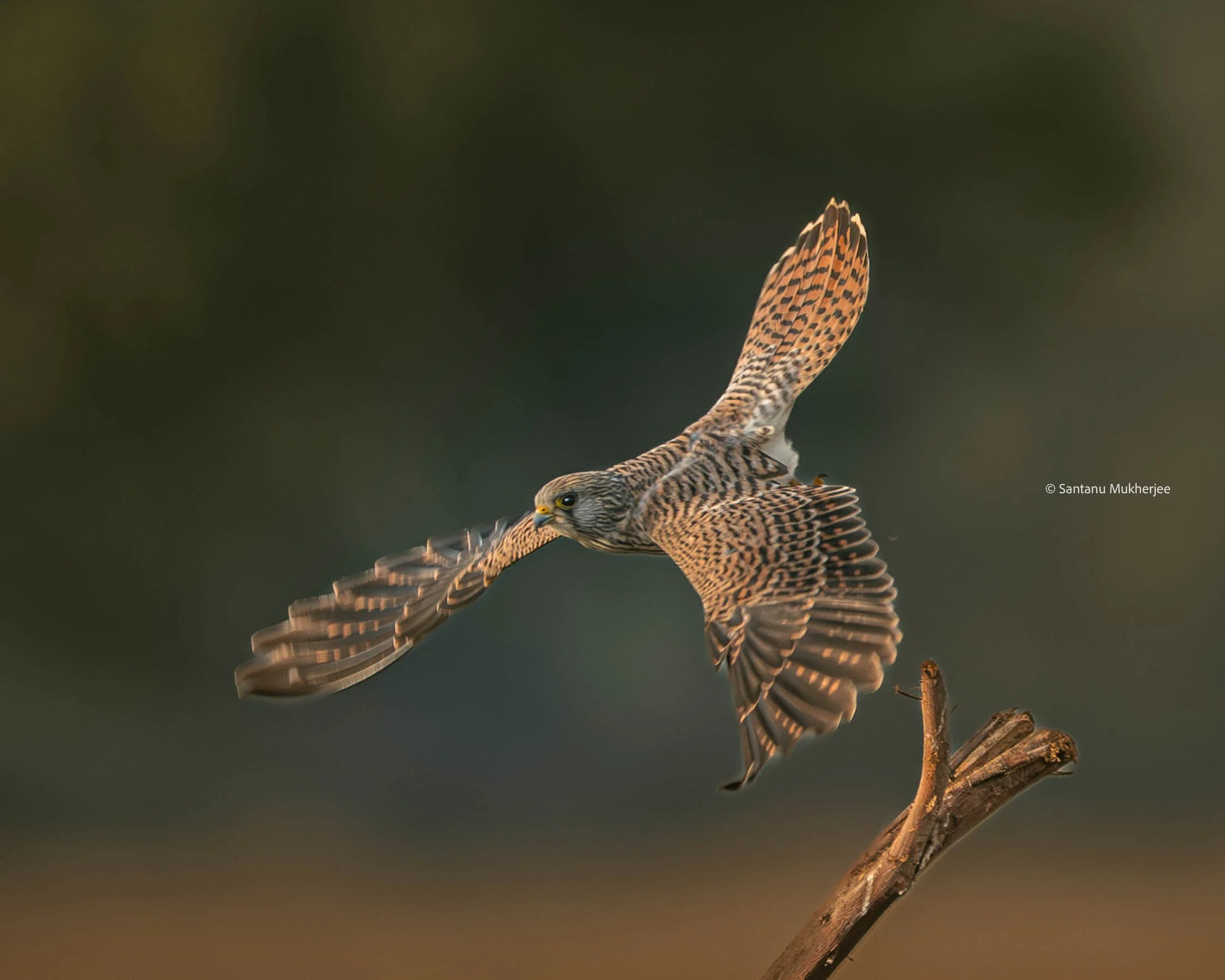
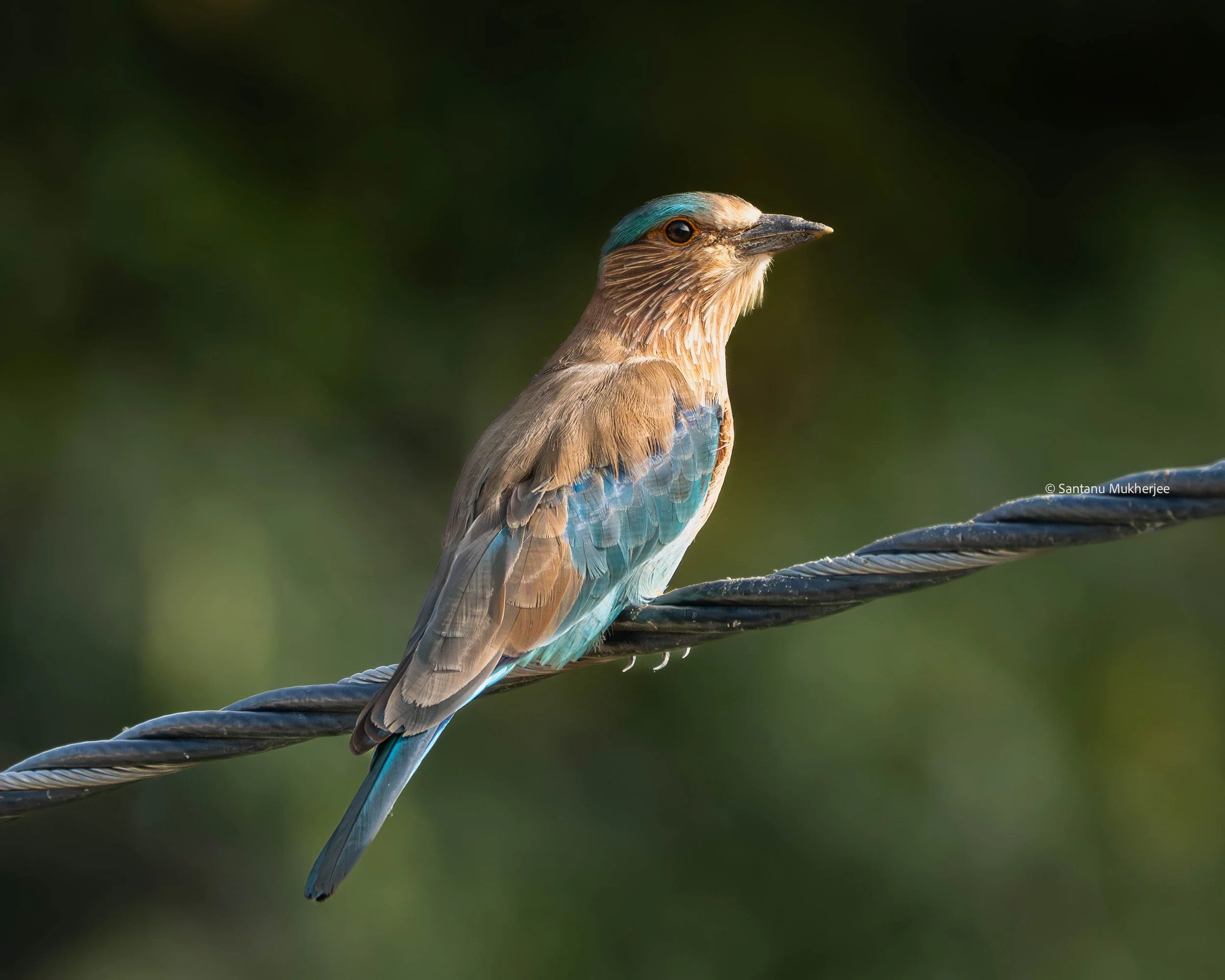
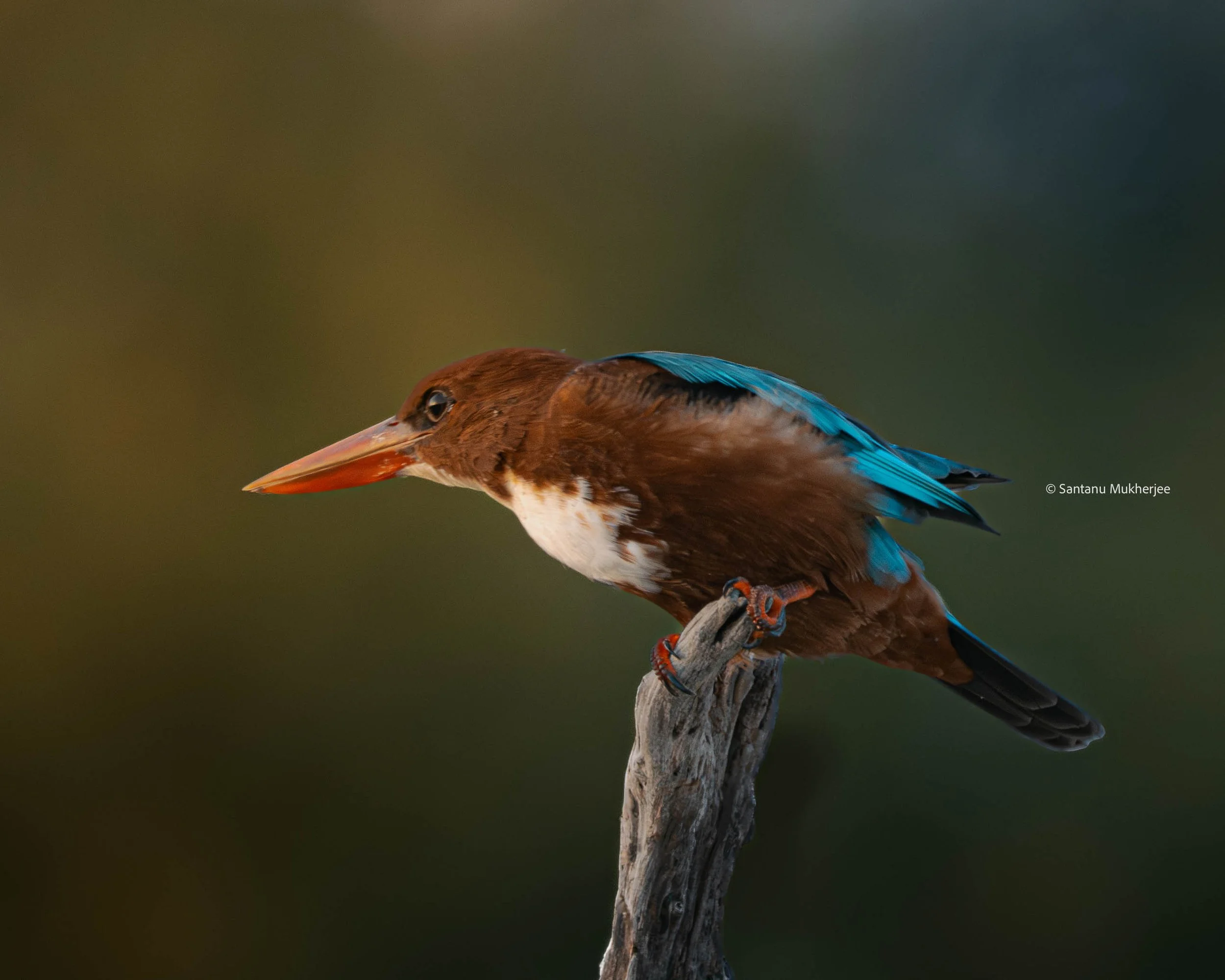
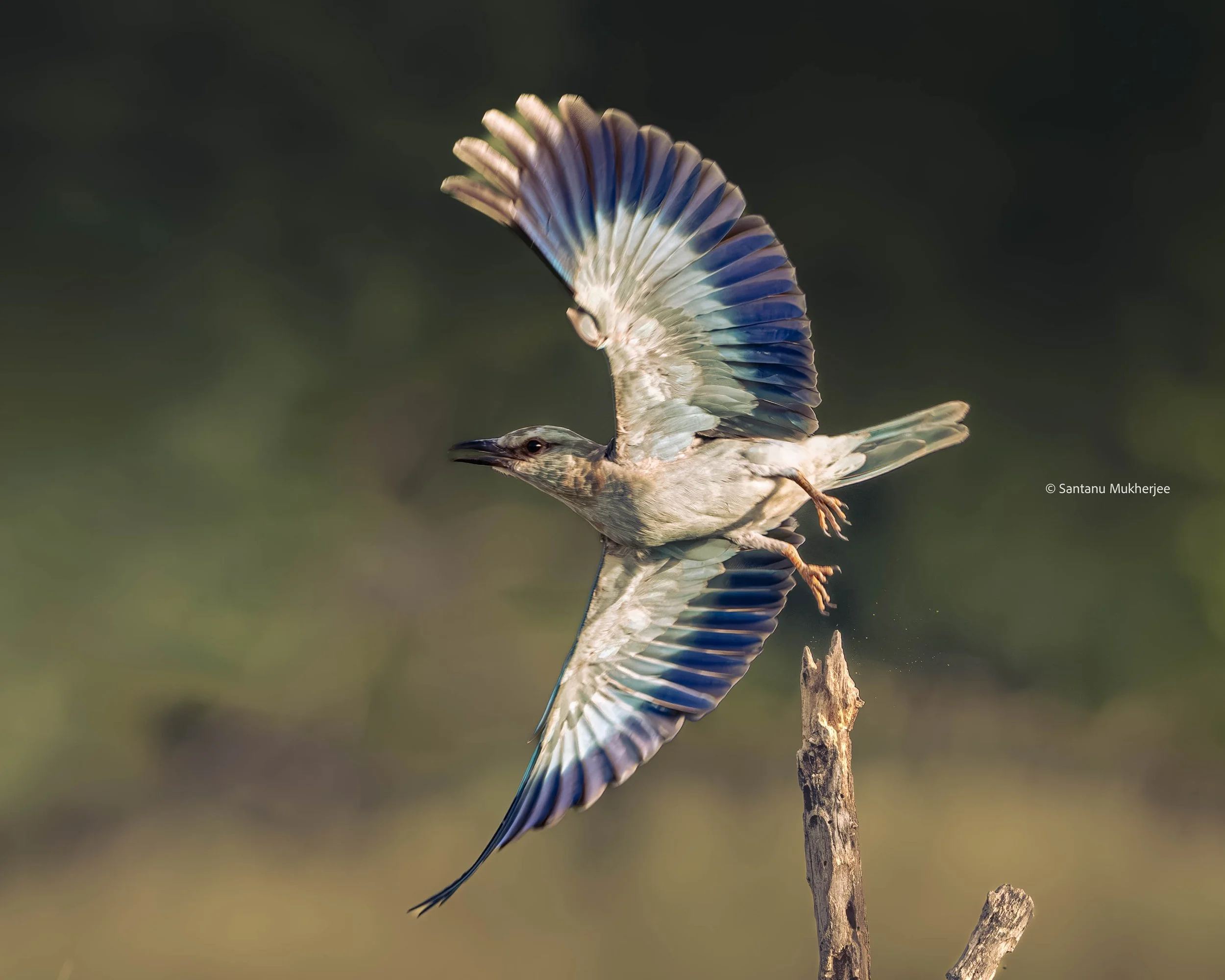
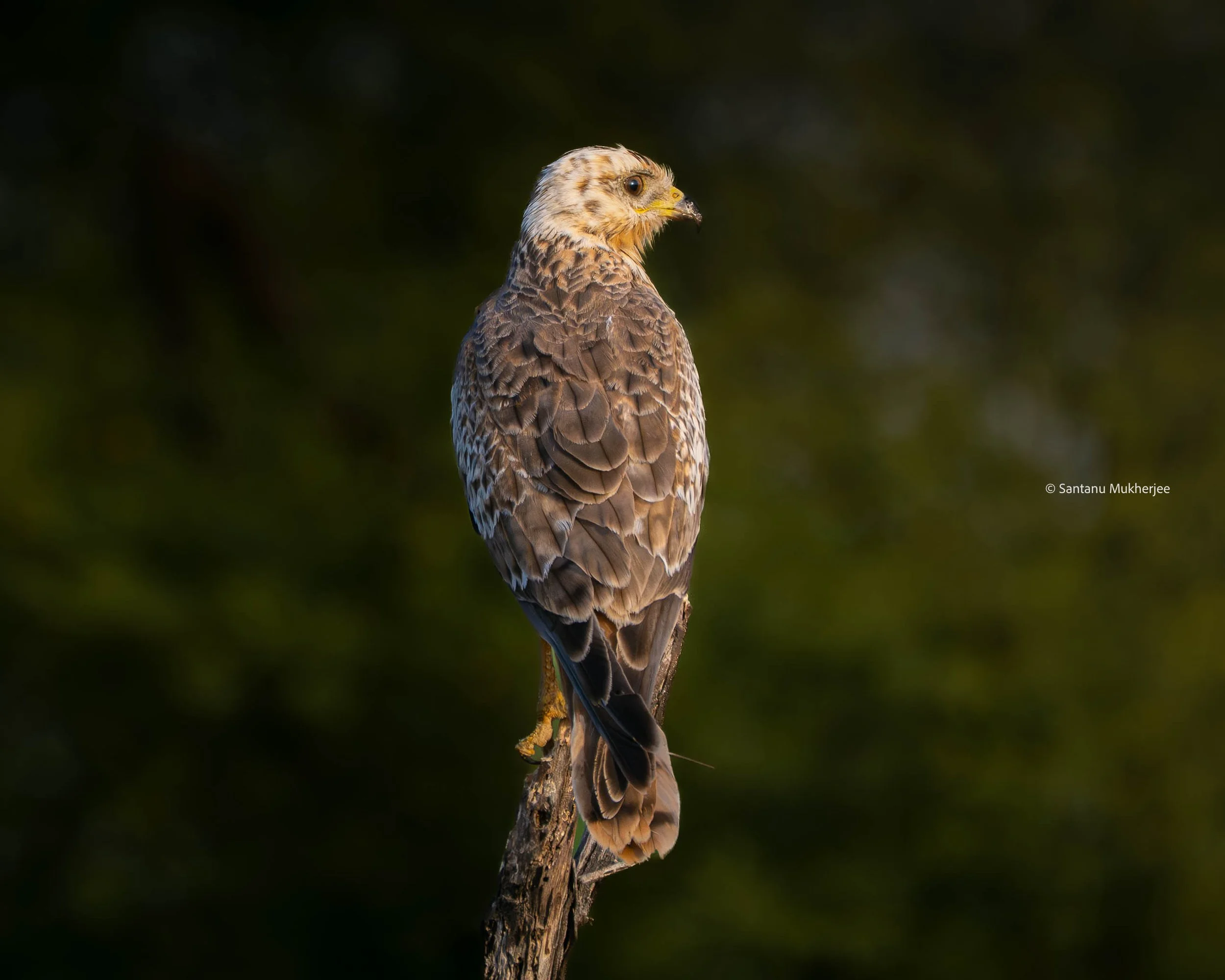
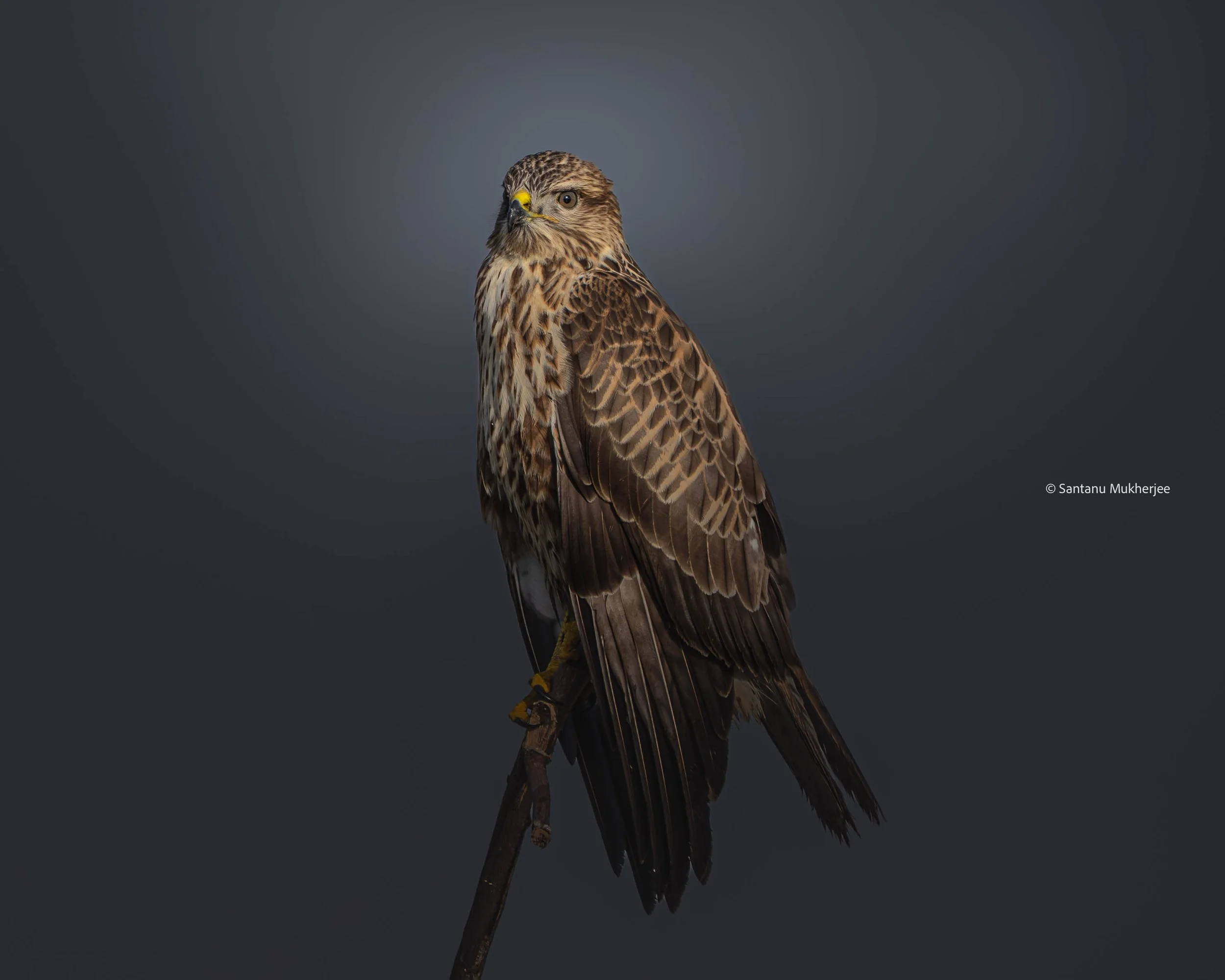
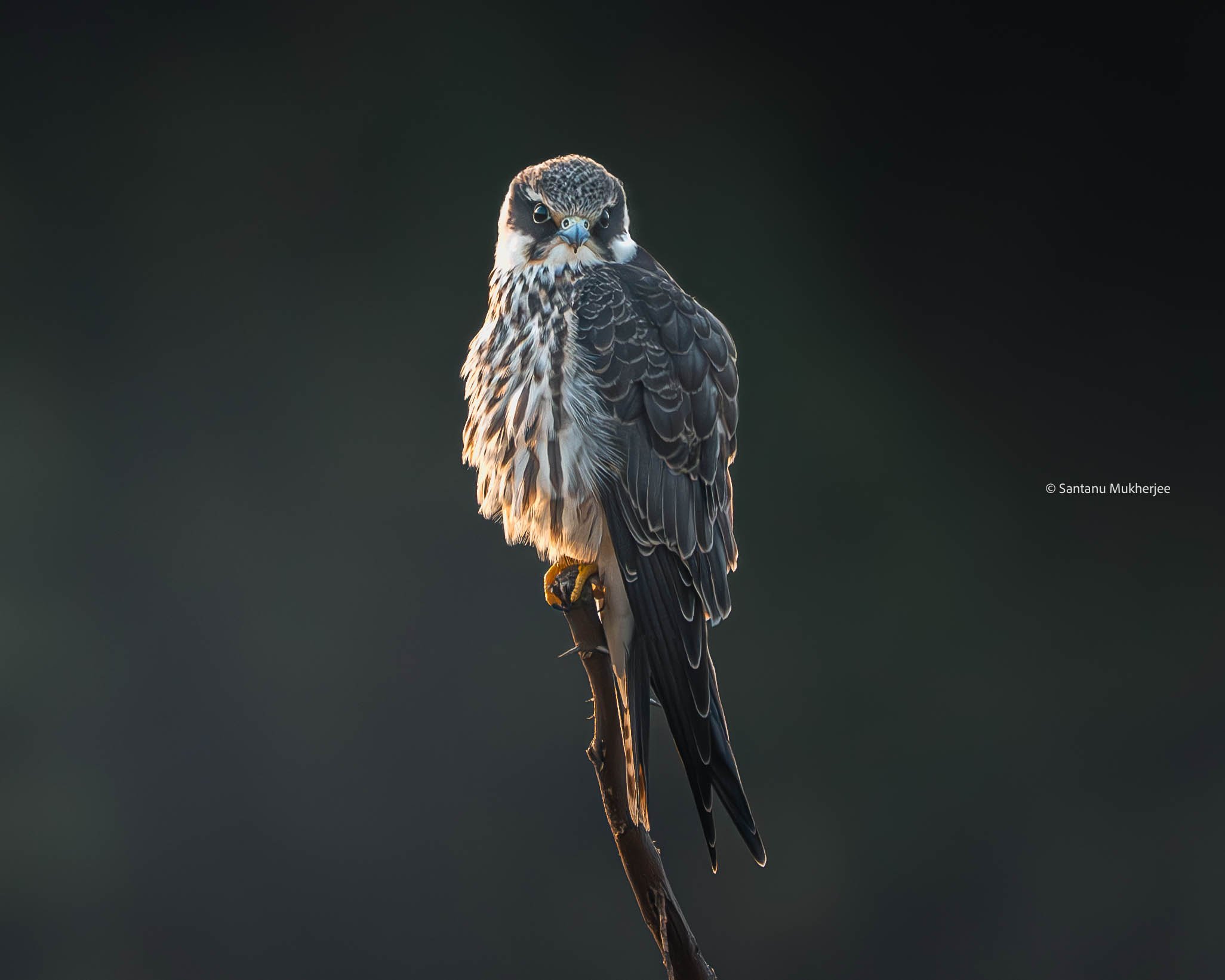
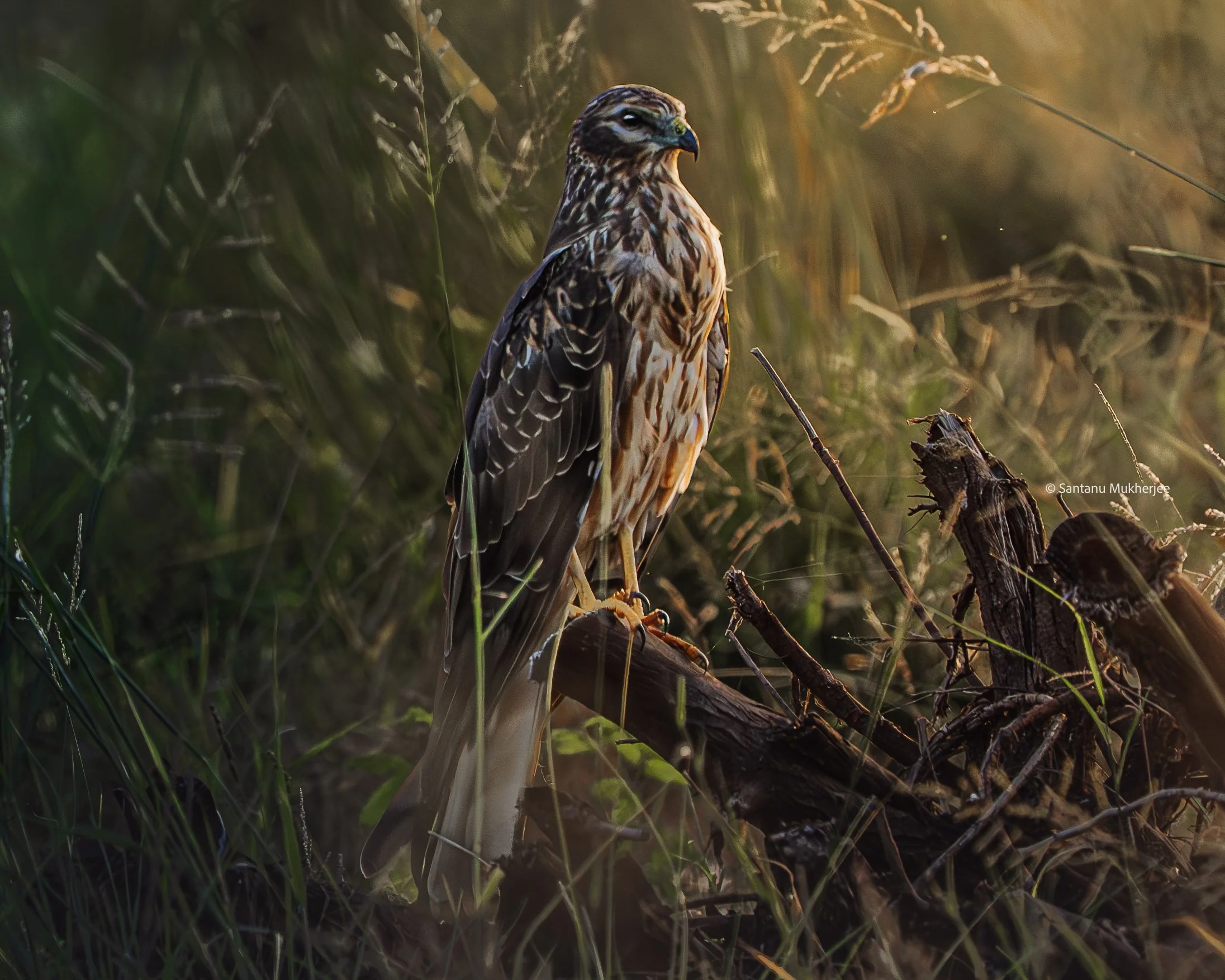
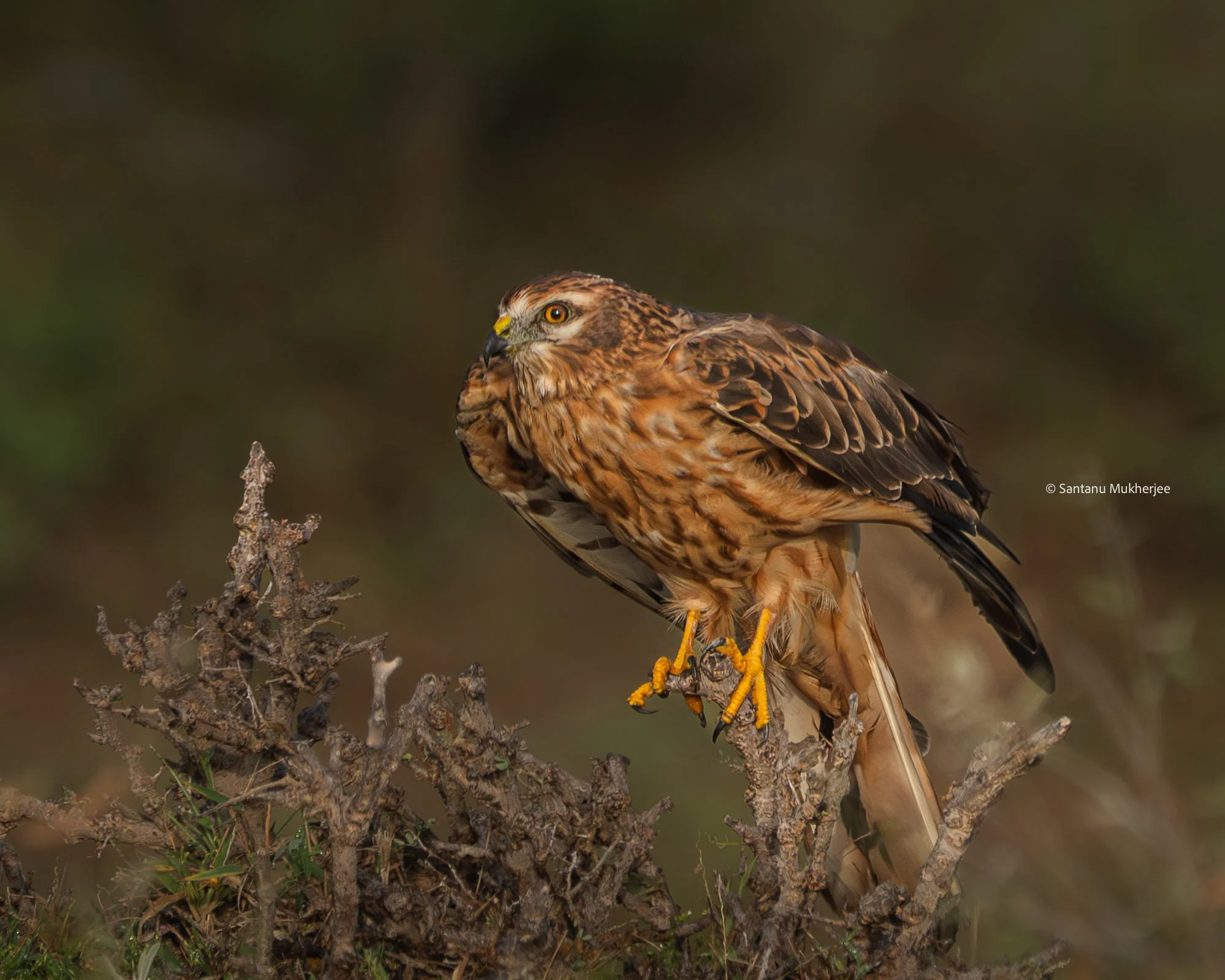
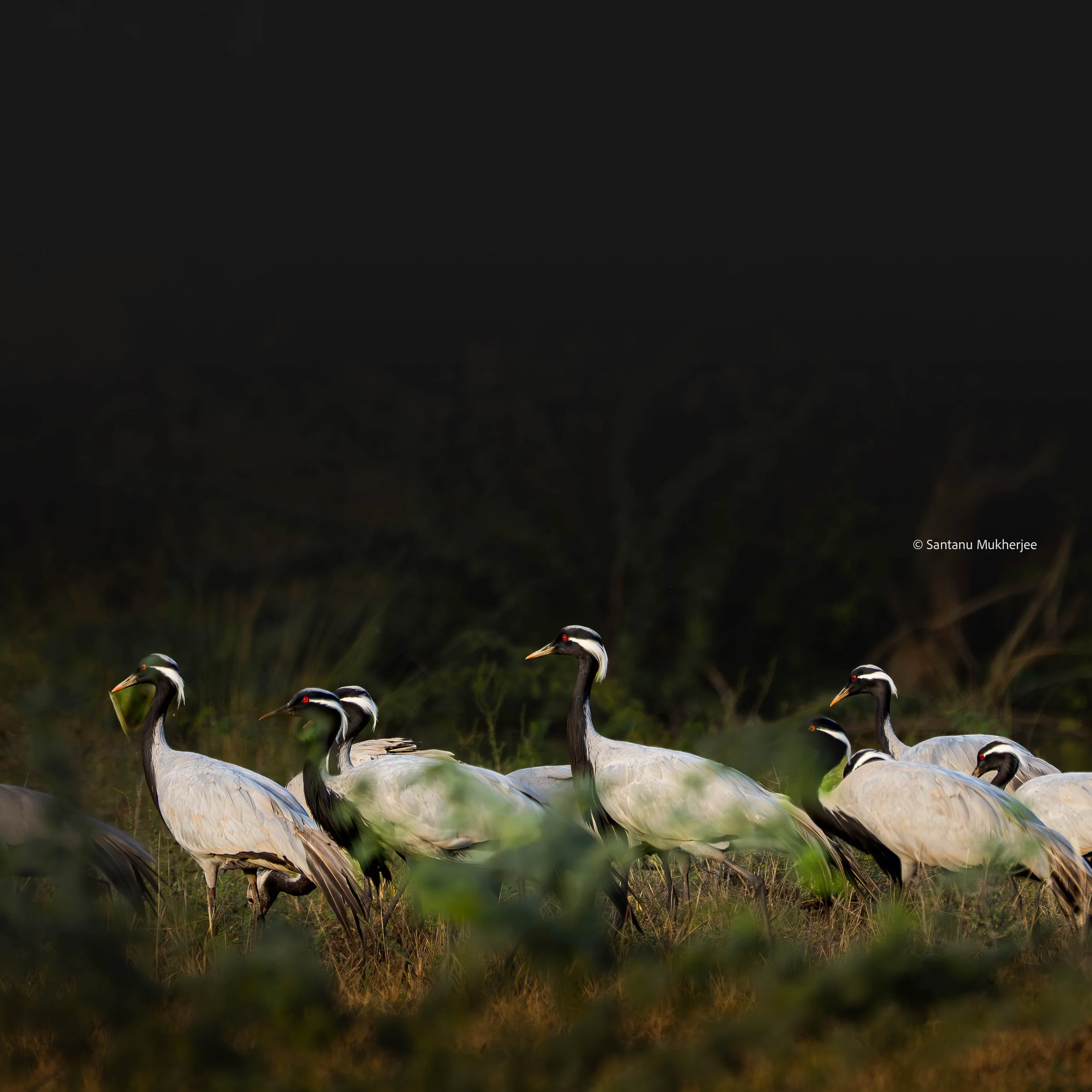
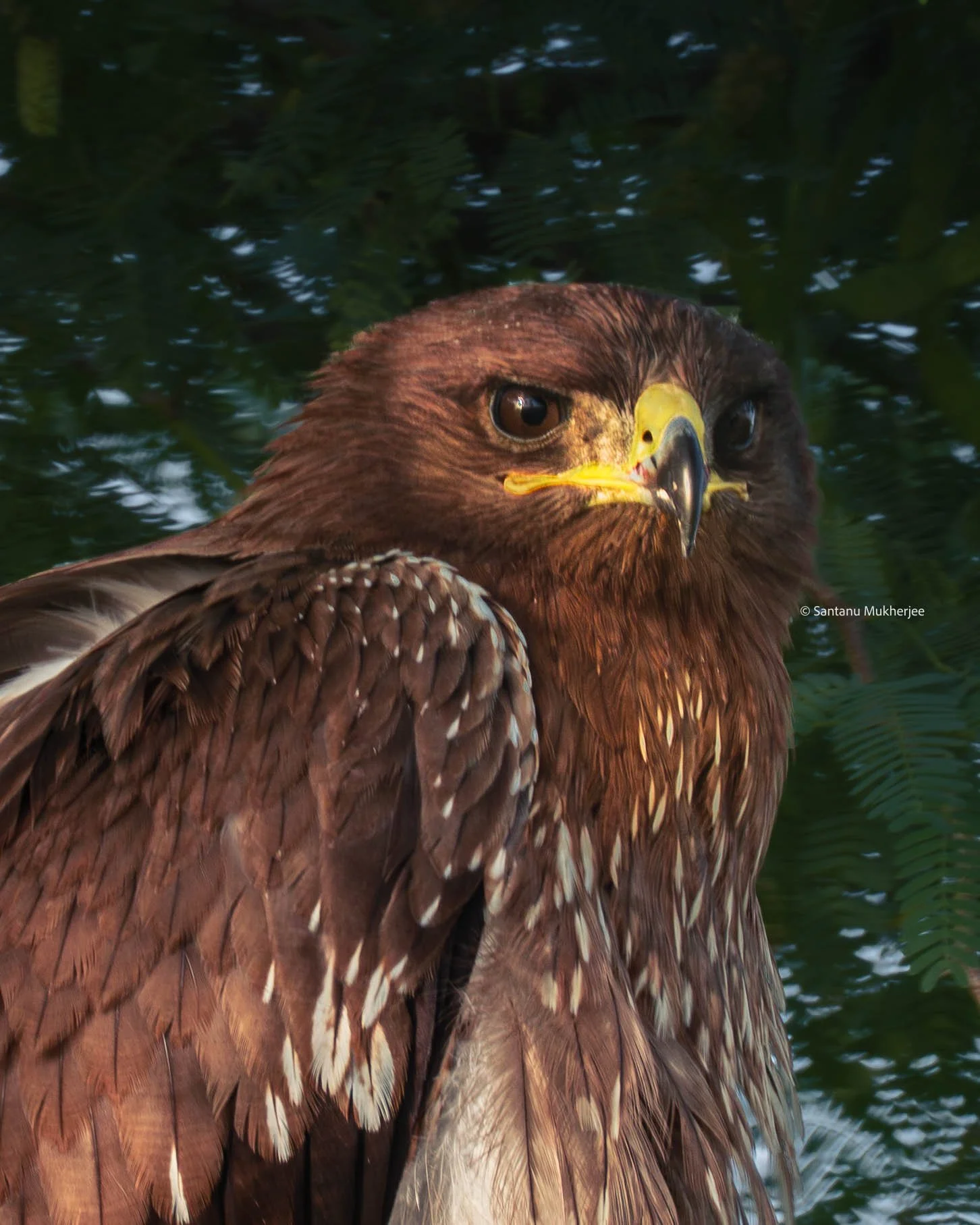
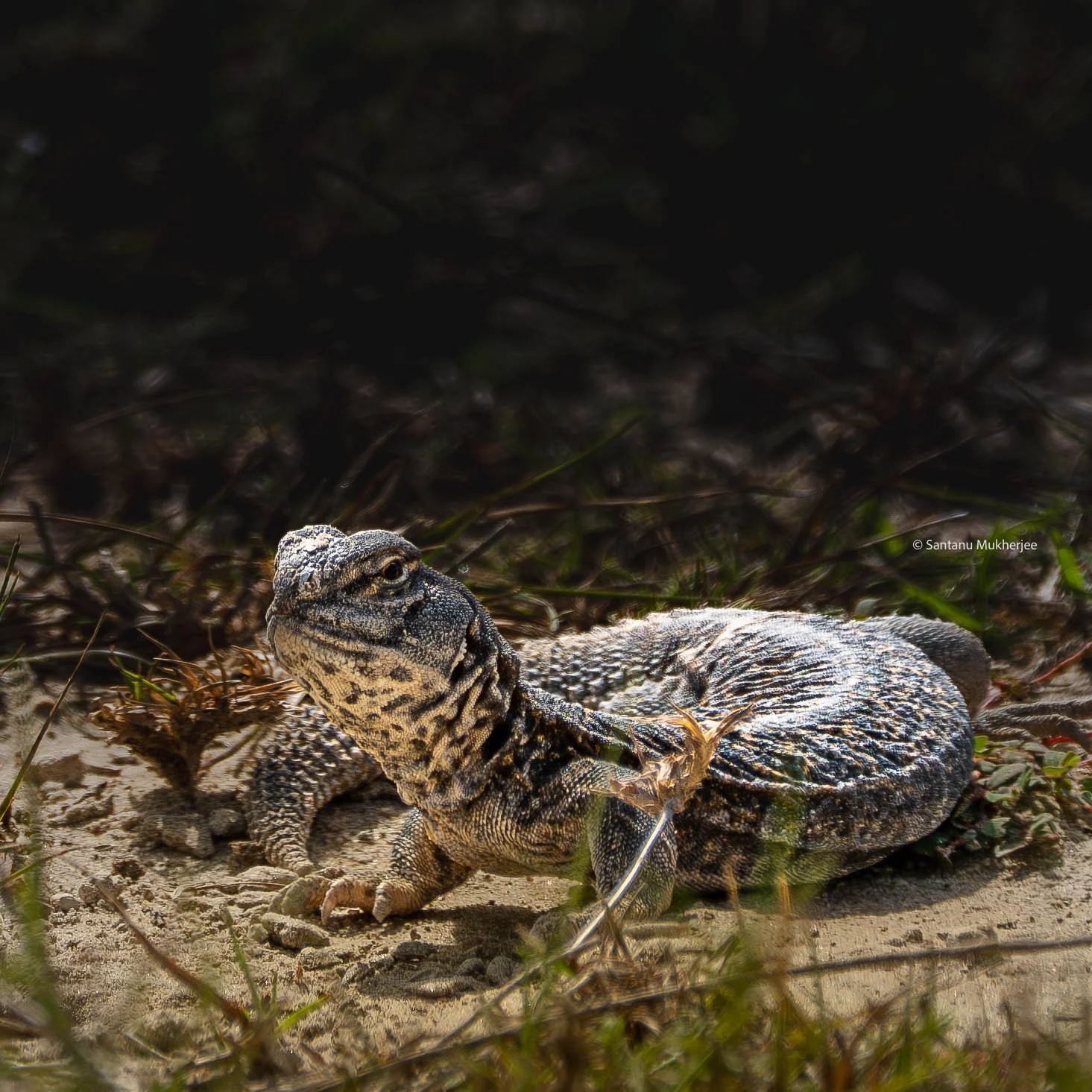
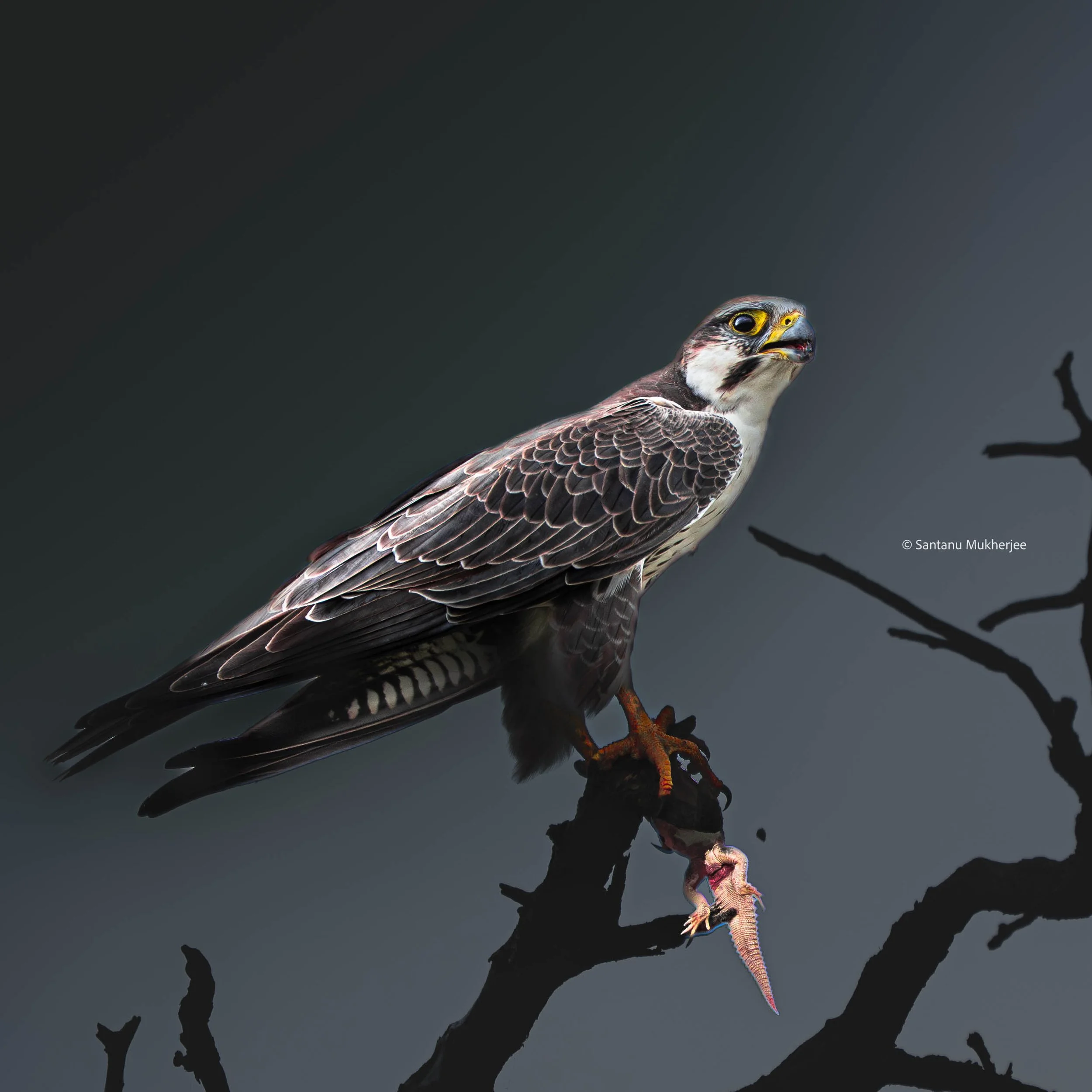
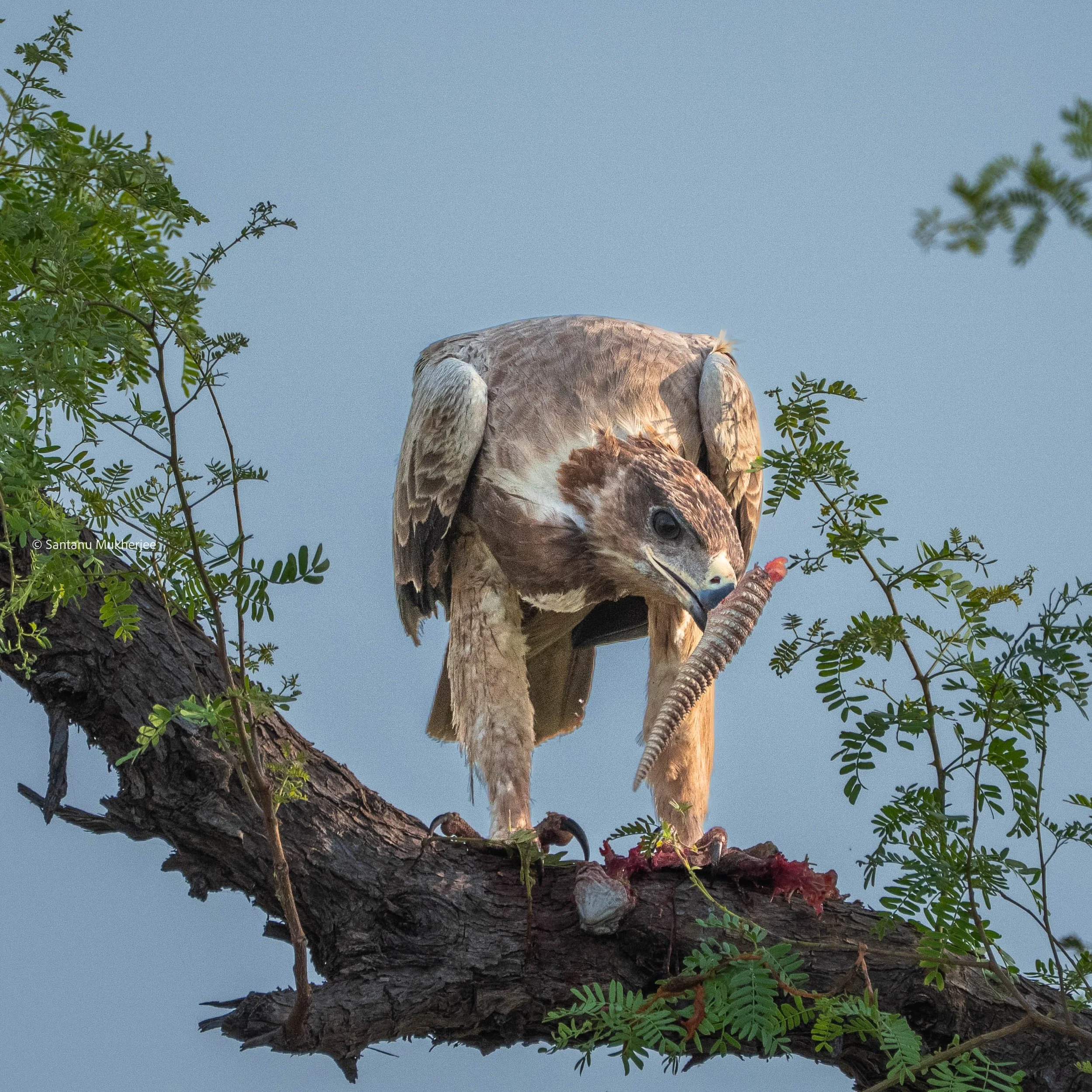
The goshala, a semi-arid grassland located a short distance from the sanctuary and used as a grazing ground for cattle, is a prime birding and photography location. Between October and December, tawny eagles, booted eagles, and laggar falcons are frequently seen hunting here, drawn by the presence of spiny-tailed lizards—active before they retreat into hibernation.
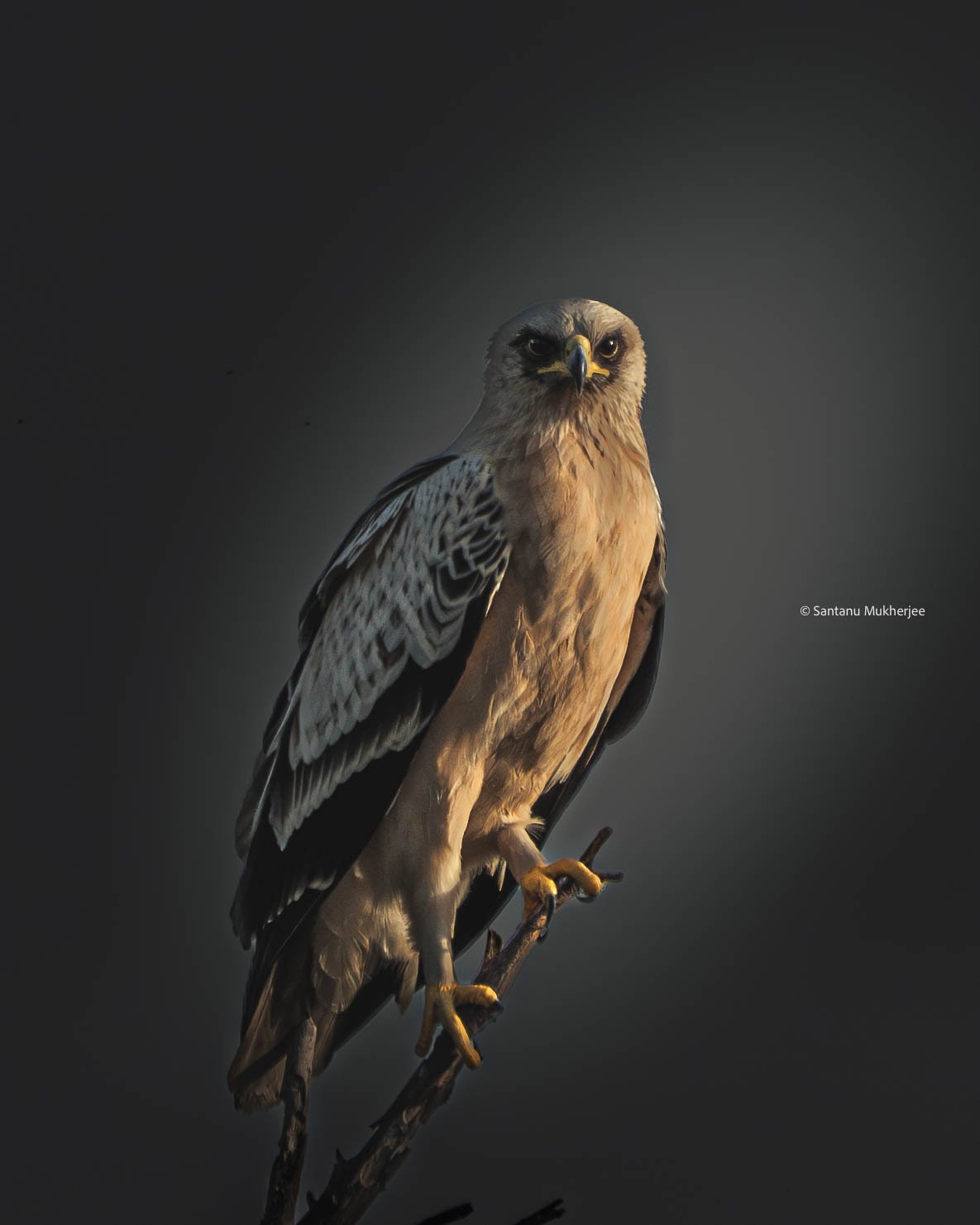
These lizards are stout-bodied, with a thick, spiked, almost club-like tail that gives them their name. Their sandy yellows and muted browns blend seamlessly with the terrain, making them nearly invisible against the desert floor. Diurnal in nature, they are most active during the warmer hours of the day, often seen basking at the mouth of their burrows. At the slightest hint of danger, they retreat instantly underground. Their burrows, often deep, offer protection from both predators and extreme temperatures.
During this period, the skies above the goshala are alive with anticipation. Raptors circle high overhead, watchful and patient. The moment a lizard emerges, the stillness shatters—in a flash, the bird dives, striking with precision. Within seconds, it is perched atop a tree, its catch secured. The scene may feel raw, even brutal, but for a wildlife photographer, it offers an extraordinary opportunity to capture action at its most primal.
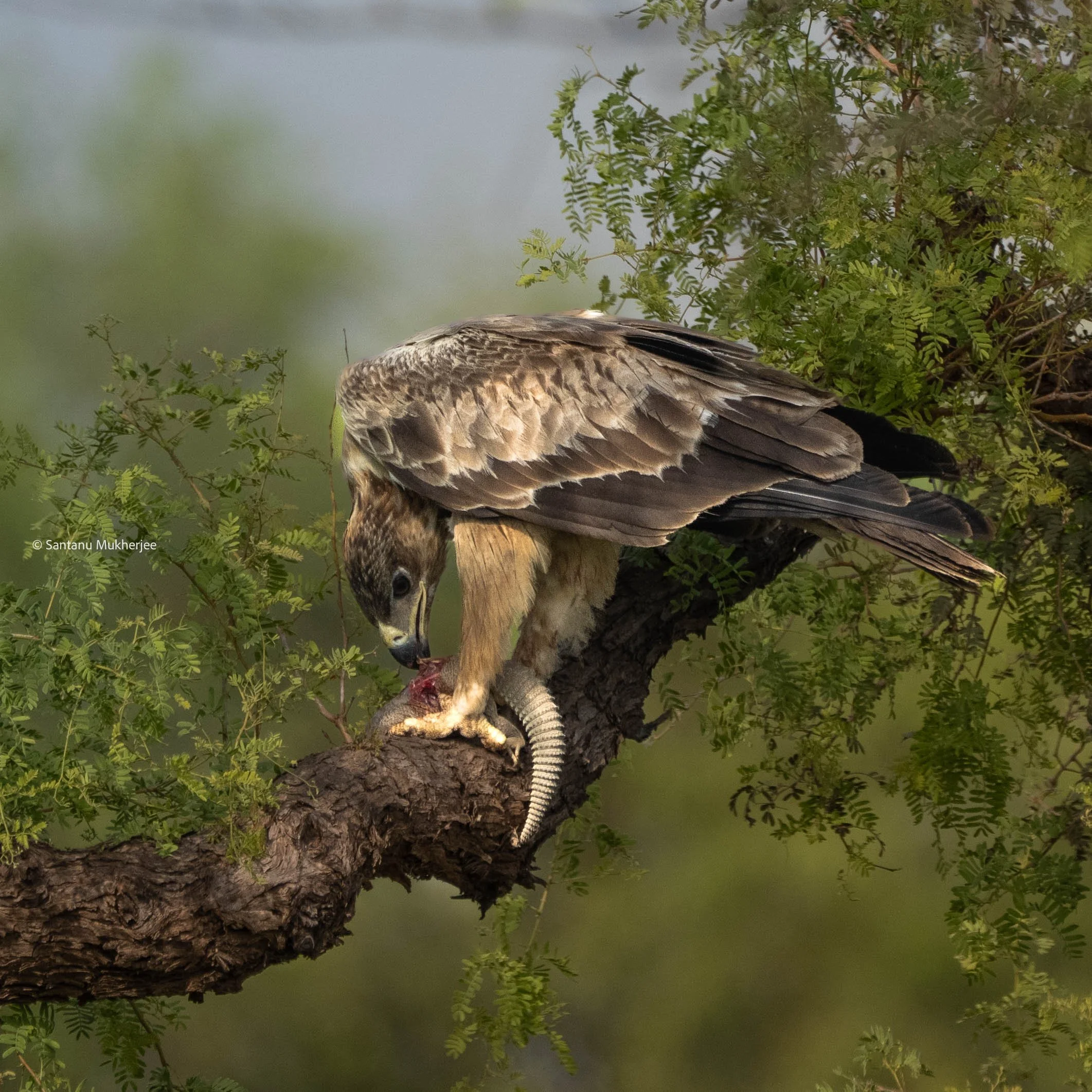
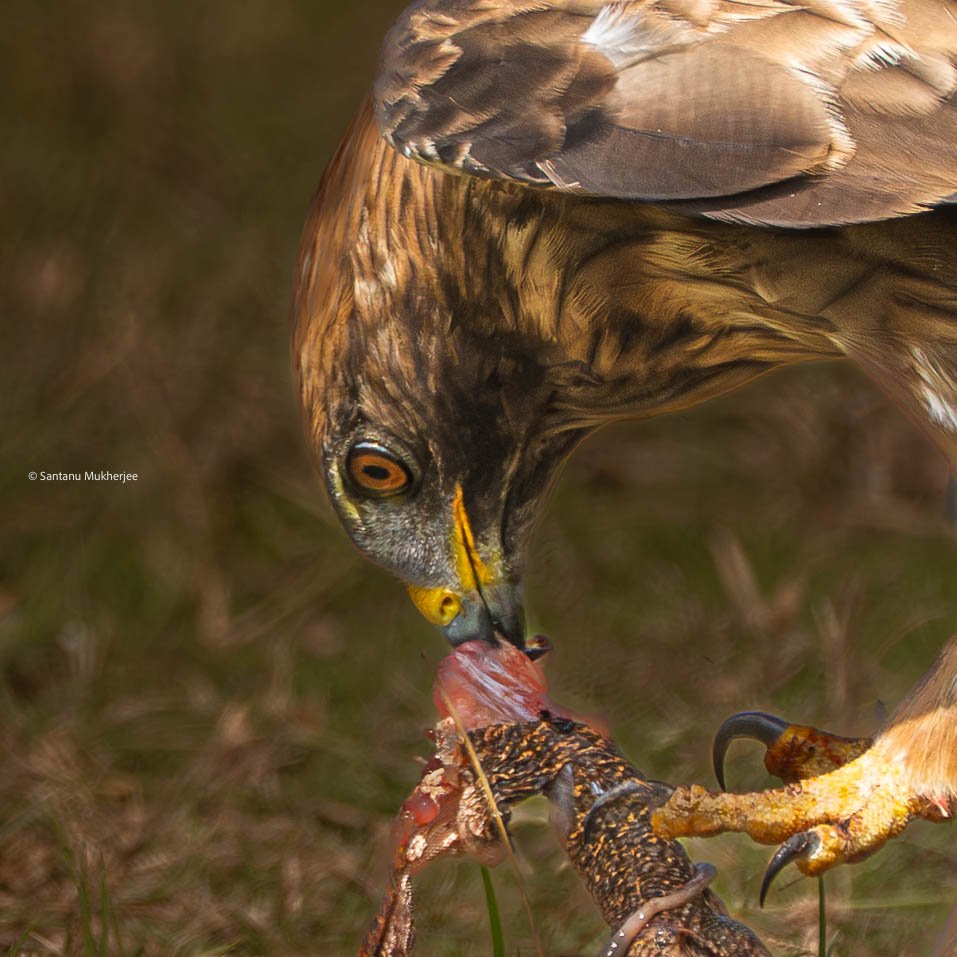
By January through March, the dynamic shifts. With the lizards gone, Steppe eagles and Eastern Imperial eagles become more prominent, often seen perched or slowly patrolling the grasslands in search of alternate prey.
For photographers, both terrains—the sanctuary and the goshala—are equally rewarding and challenging. There is no cover, no concealment—only open space. Clean backgrounds and uninterrupted horizons allow for striking compositions, but demand patience and discipline. Here, you don’t chase—you wait.
Accommodation mirrors the landscape—simple, clean, and unpretentious. Homestays and small lodges offer warmth rather than luxury, along with wholesome, home-style meals. Evenings are quiet, often spent reviewing images and exchanging notes with fellow photographers. Many of these homestays also arrange safari vehicles and assist with bookings. They also arrange pick-up and drop from the nearest rail station or Jaipur.
What makes Tal Chhapar unique is its minimalism. No dramatic backdrops—just endless grasslands and an expansive sky. And within that simplicity, every movement gains significance.
For those drawn to raptors, open spaces, and the art of waiting, it offers something rare—a chance not just to photograph the wild, but to experience its rhythm.
